Honey Wild Font for Web Design
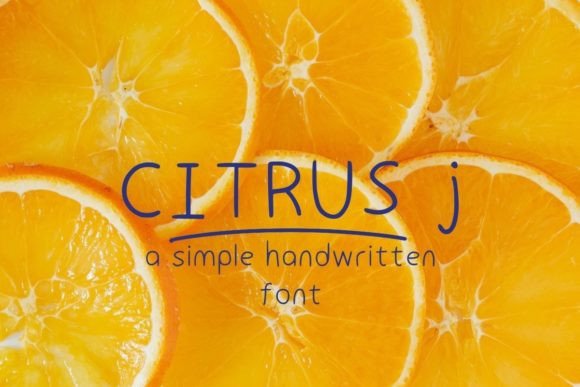
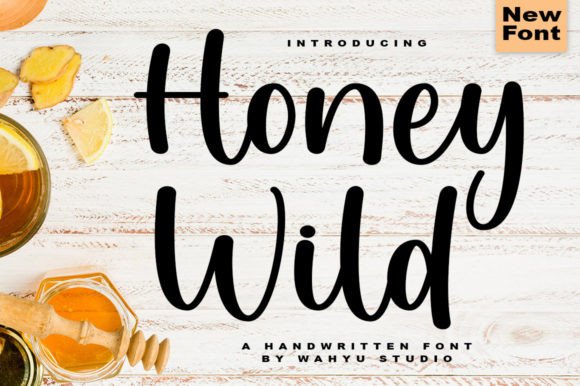
Honey Wild is a simple handwritten font that brings a natural, organic feel to digital design. As a web designer, I appreciate fonts that balance personality with usability, and Honey Wild delivers on both fronts. Its soft, flowing strokes make it ideal for creative projects where a personal touch matters.
The font’s visual characteristics are clean yet expressive. Each letterform has a subtle irregularity that mimics real handwriting, giving it a warm and approachable tone. This makes it perfect for branding that wants to feel authentic rather than overly polished. Whether you're designing a landing page or crafting a logo, Honey Wild adds a human element without sacrificing clarity.
Using Honey Wild in Digital Layouts
Honey Wild excels in headers, call-to-action buttons, and decorative accents. Its legibility at larger sizes makes it a strong choice for hero sections and banner designs. For example, a creative portfolio site could use Honey Wild for the main title, paired with a sans serif font for body text to create contrast and balance.
On a boutique online store, Honey Wild can appear in product headings or promotional banners. The font’s friendly nature aligns well with brands aiming to build trust and connection with their audience. It also works well in social media graphics, where a handwritten look can feel more engaging and less corporate.
For a coaching website, Honey Wild might be used in section headings or quote blocks. Its readability at smaller sizes means it can still perform well in content sections, especially when paired with a complementary typeface. This helps maintain visual hierarchy while keeping the design cohesive.
Readability and Visual Hierarchy
When using Honey Wild in web design, consider how it affects scanning behavior and user engagement. At larger sizes, it draws attention effectively, making it ideal for headlines and CTA buttons. However, it’s not recommended for long paragraphs of body text due to its intricate details, which can reduce readability on small screens.
For mobile responsiveness, test Honey Wild on different screen sizes. On dark backgrounds, the font remains clear, but on light backgrounds, ensure sufficient contrast. When placed over images or gradients, use a semi-transparent overlay or bold weight to maintain legibility.
In responsive layouts, keep Honey Wild limited to key areas such as titles and logos. Avoid using it for navigation menus or form labels, where clarity is essential. Instead, reserve it for decorative elements that enhance the overall aesthetic without compromising functionality.
Font Pairing and Brand Identity
Honey Wild pairs well with modern typography. A common approach is to combine it with a sans serif font for body copy, creating a contrast between the handwritten style and the clean, structured look of the sans serif. This pairing works well for editorial design, blog headers, and content-focused websites.
If your brand leans toward a more traditional or elegant feel, pair Honey Wild with a serif font. This combination can elevate the design while maintaining a sense of warmth and authenticity. For a minimalist or tech-oriented brand, a geometric sans serif may provide a balanced counterpoint to the fluidity of Honey Wild.
When building a brand identity, consider how Honey Wild contributes to the overall tone. Its informal yet refined style suits creative industries like art, fashion, and lifestyle. It can also be used in packaging design or marketing materials to reinforce a consistent visual language across platforms.
Practical Applications for Web Designers
For a course sales page, Honey Wild can be used in the headline to grab attention. Pair it with a neutral sans serif for subheadings and body text to guide the reader through the content. This ensures the font remains a focal point without overwhelming the layout.
In a digital brand kit, Honey Wild can serve as the primary display font for logos, social media profiles, and promotional assets. Its versatility allows it to adapt to various formats while maintaining a cohesive look. Make sure to check the font’s file formats and webfont availability to ensure seamless integration into your design workflow.
For commercial projects, verify the licensing terms of Honey Wild. Most fonts allow for use on websites, client projects, and digital templates, but always review the license to avoid any restrictions. This is especially important if you’re using the font for an online store or SaaS platform, where compliance is crucial.
As a web designer, I recommend experimenting with Honey Wild in different contexts. Test it on various backgrounds, sizes, and layouts to see how it performs. Its ability to add character while remaining readable makes it a valuable addition to any digital toolkit.
Whether you're working on a creative portfolio, a coaching website, or a product landing page, Honey Wild offers a unique way to express your brand’s personality. With thoughtful application, it can enhance visual storytelling and create a stronger emotional connection with your audience.