Forest Camping Font for Web Design
Testing Forest Camping in a hero section of a boutique online store was the first step. The font’s natural, handwritten style caught my eye immediately. It felt like a breath of fresh air in a digital landscape dominated by rigid typefaces. I wanted to see how it would perform in a real layout—especially on mobile screens where legibility is crucial.
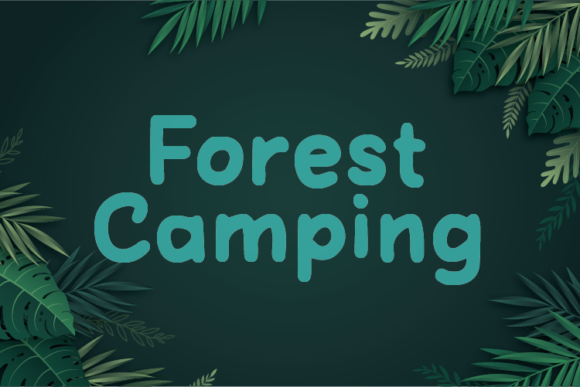
The font’s unique character design, with each stroke and curve untouched, gives it an organic feel. It doesn’t look like a generic script font. Instead, it feels handcrafted, which aligns perfectly with the brand’s identity as a small, artisanal shop. The subtle irregularities in each letter add personality without sacrificing clarity.
Using Forest Camping in Website Headers
For headers and titles, Forest Camping shines. It works well in hero sections, especially when paired with a bold background image or a simple color block. The font’s contrast against solid colors makes it stand out without overwhelming the viewer. On a coaching website, it helped create a warm, inviting tone that matched the brand’s message of guidance and support.
When used in call-to-action buttons, the font adds a personal touch. It’s not too flashy, but it still draws attention. For a product landing page, it made the headline feel more approachable and authentic. The font’s handwriting style gave the impression of a genuine recommendation rather than a polished advertisement.
Readability and Visual Hierarchy
One concern with handwritten fonts is readability, especially at smaller sizes. Forest Camping handles this well. Even on mobile screens, the characters remain distinct and easy to read. This makes it suitable for short phrases, such as taglines or subheadings, where clarity is key.
In a portfolio homepage, the font worked best as a decorative accent rather than body text. It added a creative flair without distracting from the main content. When used alongside a clean sans serif font for body copy, it created a balanced visual hierarchy that guided the user’s eye naturally through the page.
Best Use Cases for Forest Camping
Forest Camping excels in display roles. It’s ideal for headings, logos, and decorative elements that need to capture attention. On a blog redesign, it brought a sense of warmth to the header, making the site feel more personal and engaging. For a campaign landing page, it helped reinforce the theme of nature and simplicity.
It also pairs well with other fonts. A modern sans serif font for body text complements the handwritten style of Forest Camping, creating a contrast that enhances both readability and aesthetic appeal. In editorial design, it can be used for pull quotes or captions to add a human touch to the content.
Practical Considerations for Web Designers
Before implementing Forest Camping on a website, it’s important to check its webfont availability. Many premium fonts come with different weights and styles, which can affect how they render across devices. Ensuring the font is optimized for fast loading is also crucial, especially for mobile users.
Support for multilingual content should be considered if the website targets international audiences. Some fonts may not include all necessary characters, which could lead to display issues. Commercial licensing is another factor—making sure the font is properly licensed for use on websites, client projects, and digital templates.
Forest Camping in Digital Branding
For a digital brand kit, Forest Camping adds a unique identity. It can be used in social media graphics, email newsletters, and promotional materials to maintain a cohesive look. Its handwritten style helps differentiate the brand from competitors while maintaining a professional appearance.
In packaging design, the font can be used for labels or tags to give products a handmade feel. On a course sales page, it helped create a more personal connection with potential students, making the content feel more relatable and trustworthy.
Overall, Forest Camping is a versatile tool for web designers and digital creators. Its natural, handwritten style brings a sense of authenticity to any project. Whether used in a creative portfolio, online store, or coaching website, it adds a unique visual element that enhances the overall user experience.